
Cumberland Weeding Services
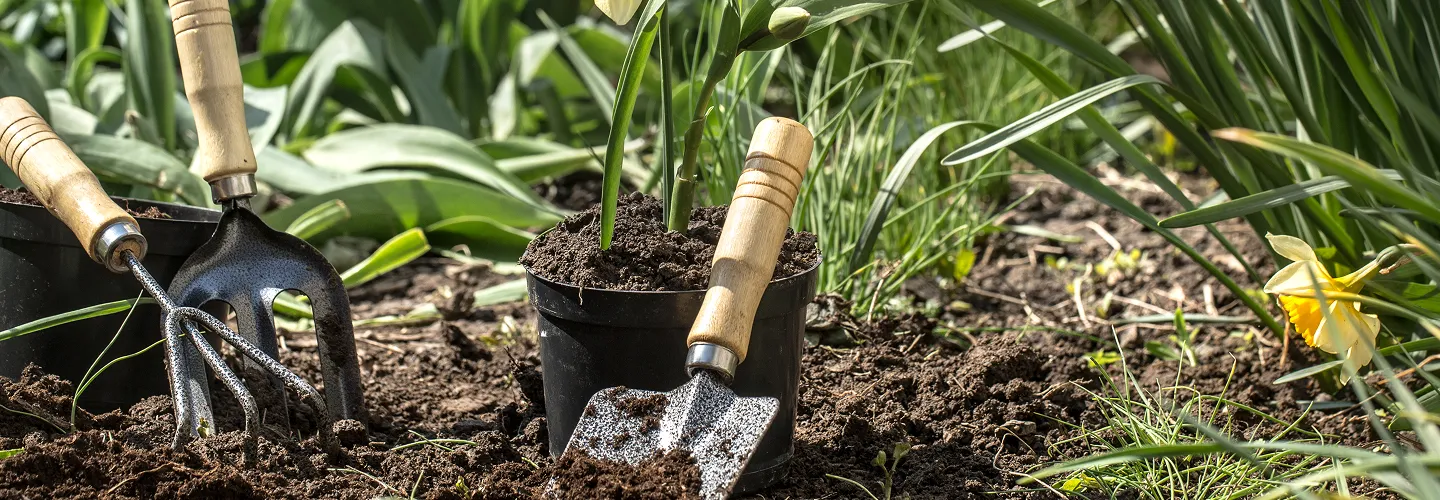
Choose our expert weeding services for a healthier, more vibrant landscape—our skilled team ensures your garden stays pristine, saving you time and effort while protecting your plants from invasive weeds.
Get a Free QuoteOur Cumberland Landscaping & Yard Care Services
When to Schedule Weeding in Cumberland, Rhode Island – Seasonal Guide
In Cumberland, Rhode Island, the best times to schedule weeding are typically in early spring and late summer, when local weather conditions are most favorable for effective weed control. The region’s climate, with its cold winters and humid summers, means that weeds often emerge just after the last frost—usually in late April or early May. Targeting weeding efforts during this window, especially in neighborhoods like Arnold Mills and Valley Falls, helps prevent invasive species from taking hold as the soil warms and moisture levels rise.
Local environmental factors play a significant role in determining the optimal weeding schedule. For example, areas near the Blackstone River may experience higher humidity and denser shade, which can encourage weed growth, while properties on the outskirts near Diamond Hill might face drier, rockier soil conditions. It’s also important to consider municipal guidelines and resources, such as those provided by Sudbury’s local government, to stay informed about any seasonal restrictions or best practices.
Local Factors to Consider for Weeding in Cumberland
- Proximity to wooded areas or high tree density (e.g., near Monastery Park)
- Soil type and drainage, especially in hilly or low-lying neighborhoods
- Average precipitation and risk of summer droughts
- Frost dates and timing of spring soil thaw
- Shade coverage from mature trees or nearby structures
- Municipal restrictions or community guidelines on herbicide use
Benefits of Weeding in Cumberland

Enhanced Curb Appeal
Healthier Plant Growth
Reduced Pest Infestation
Improved Soil Quality
Time and Effort Savings
Professional and Reliable Service
Cumberland Weeding Types

Hand Weeding
-
Mulch Application
-
Pre-Emergent Weed Control
-
Post-Emergent Weed Spraying
-
Landscape Bed Maintenance
-
Gravel and Hardscape Weed Removal
-
Organic Weed Management
Our Weeding Process
Site Evaluation
Weed Identification
Targeted Removal
Soil Treatment
Final Inspection
Why Choose Cumberland Landscape Services
-
Cumberland Homeowners Trust Us
-
Expert Lawn Maintenance
-
Reliable Seasonal Cleanup
-
Competitive Pricing
-
Professional Team
-
Satisfaction Guarantee
-
Personalized Service
Weeding and Invasive Species Management in Cumberland’s Parks and Wetlands
Weeding in Cumberland’s public spaces requires strict adherence to municipal and state environmental regulations, especially near sensitive areas such as the Blackstone River, Diamond Hill Park, and local wetlands. The Cumberland Conservation Commission oversees activities impacting conservation lands and enforces a 25-foot no-disturbance buffer from wetlands, as outlined in local ordinances. Removal of invasive species like Japanese knotweed or multiflora rose must be performed without disturbing native vegetation or soil structure. Only hand-pulling or approved mechanical methods are permitted within buffer zones; chemical applications are prohibited within 50 feet of water bodies. All debris must be disposed of according to town guidelines, with prohibited dumping in storm drains or waterways to comply with the Clean Water Act and Cumberland’s MS4 permit. For guidance on protected areas and compliance, contact:
Cumberland RI Conservation Commission
45 Broad Street, Cumberland, RI 02864
Phone: (401) 728-2400
Official Website: Cumberland RI Conservation Commission
Soil Series and Drainage Considerations for Weeding in Cumberland Lawns
Cumberland’s predominant soils, including the Ridgebury, Whitman, and Canton series, are characterized by glacial till, moderate to poor drainage, and a pH range of 5.5-6.5. These conditions influence weed pressure and the effectiveness of removal methods. Poorly drained soils, especially in the Ann & Hope and Valley Falls neighborhoods, require shallow cultivation (2-3 inches) to avoid compaction and root disturbance. Soil testing is recommended every 2-3 years through the University of Rhode Island Cooperative Extension (typical cost: $15-25) to determine amendment needs. For acidic soils (pH below 6.0), lime application is advised; for compacted areas, incorporate 2-3 inches of compost to a 6-inch depth. Research local soil characteristics using the USDA Web Soil Survey for site-specific recommendations. For technical assistance, consult:
University of Rhode Island Cooperative Extension
3 East Alumni Avenue, Kingston, RI 02881
Phone: (401) 874-2900
Official Website: University of Rhode Island Cooperative Extension
Seasonal Timing and Weather Guidance for Weeding in Cumberland, RI
Effective weeding in Cumberland is closely tied to local climate patterns and the city’s USDA Hardiness Zone 6b. The optimal window for manual and mechanical weeding is April 15 to June 15, when soil temperatures reach 50-65°F and before perennial weeds set seed. Fall removal (September 1 to October 15) is also effective for biennial and perennial species. Avoid weeding during July-August heat stress periods to minimize soil disturbance and erosion risk. Monitor local weather forecasts through the National Weather Service Boston/Norton Office for rainfall and soil moisture conditions, as saturated soils increase compaction risk. Recommended timing:
- Spring: April 15 – June 15 (soil temp 50-65°F)
- Fall: September 1 – October 15 (before first frost)
- Avoid: July-August (heat, drought stress)
Municipal Collection and Disposal of Weeding Debris in Cumberland
Proper disposal of weeding debris is regulated by the Cumberland Department of Public Works. Yard waste collection occurs weekly on Thursdays from April through November. Residents must use biodegradable paper bags or reusable bins (32-gallon maximum); plastic bags and branches over 4 inches in diameter are prohibited. Accepted materials include weeds, grass clippings, and brush under 4 feet in length. Debris must be placed curbside by 7:00 AM on collection day. Dumping yard waste in storm drains or public lands is strictly prohibited under local ordinance and the Rhode Island Environmental Rights Act. For questions on collection schedules or disposal sites, contact:
Cumberland RI Department of Public Works
45 Broad Street, Cumberland, RI 02864
Phone: (401) 728-2400
Official Website: Cumberland RI Department of Public Works
Safety Protocols and Equipment Standards for Weeding Operations in Cumberland
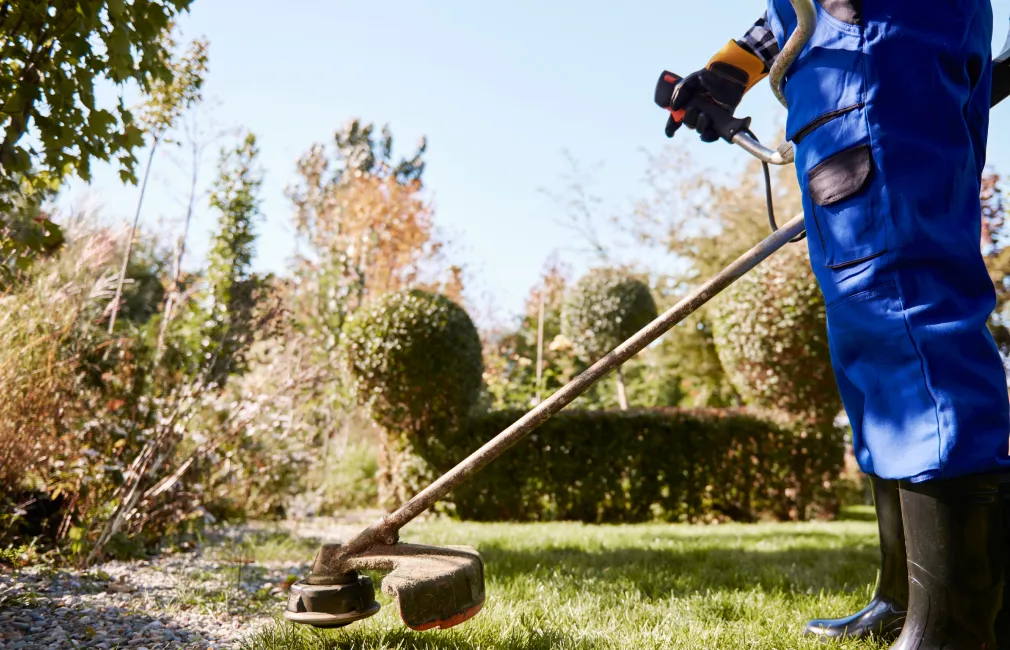
All weeding operations in Cumberland must comply with municipal safety standards and equipment regulations. Equipment operation is permitted:
- Monday-Friday: 7:00 AM – 7:00 PM
- Saturday: 8:00 AM – 6:00 PM
- Sunday and holidays: Prohibited
Operators must use commercial-grade tools with noise levels not exceeding 85 decibels at property lines. Personal protective equipment (PPE) is required, including:
- Eye protection: ANSI Z87.1 safety glasses
- Hearing protection: Earmuffs or plugs for 85+ dB
- Gloves: Cut-resistant for hand weeding, chemical-resistant for herbicide application
- Footwear: Steel-toed, non-slip boots
Maintain a 15-foot clearance from power lines and public walkways. For questions on local safety ordinances, consult:
Cumberland RI Department of Public Works
45 Broad Street, Cumberland, RI 02864
Phone: (401) 728-2400
Official Website: Cumberland RI Department of Public Works
What Neighborhoods Do We Serve Throughout Cumberland, RI?
- Valley Falls: Features older residential lots with compacted glacial till soils and moderate drainage, requiring shallow cultivation and careful debris management.
- Arnold Mills: Characterized by larger lots, mature trees, and proximity to conservation areas, necessitating compliance with wetland buffer regulations and invasive species control.
- Lonsdale: Dense development and smaller yards increase the risk of soil compaction and require frequent debris collection to prevent storm drain blockages.
- Cumberland Hill: Newer subdivisions with improved drainage but higher weed pressure in disturbed soils; HOA guidelines may apply to yard waste placement.
- Diamond Hill: Adjacent to parklands and protected open space, with rocky soils and seasonal water table fluctuations impacting weeding schedules.
- Berkeley: Contains floodplain areas near the Blackstone River, requiring strict adherence to disposal regulations and buffer zones for environmental protection.
- Ashton: Mix of historic and modern properties, with variable soil conditions and access limitations affecting equipment use and debris removal.